Ten years on from joining forces, Vodafone finds out how its IoT technology has helped the Sea Mammal Research Unit better understand once-declining seal populations in the UK.
On 1 December 2015, Vodafone and the Sea Mammal Research Unit (SMRU) at the University of St Andrews announced a first-of-its-kind partnership. The goal: to better understand the rapid decline of some UK marine mammals.
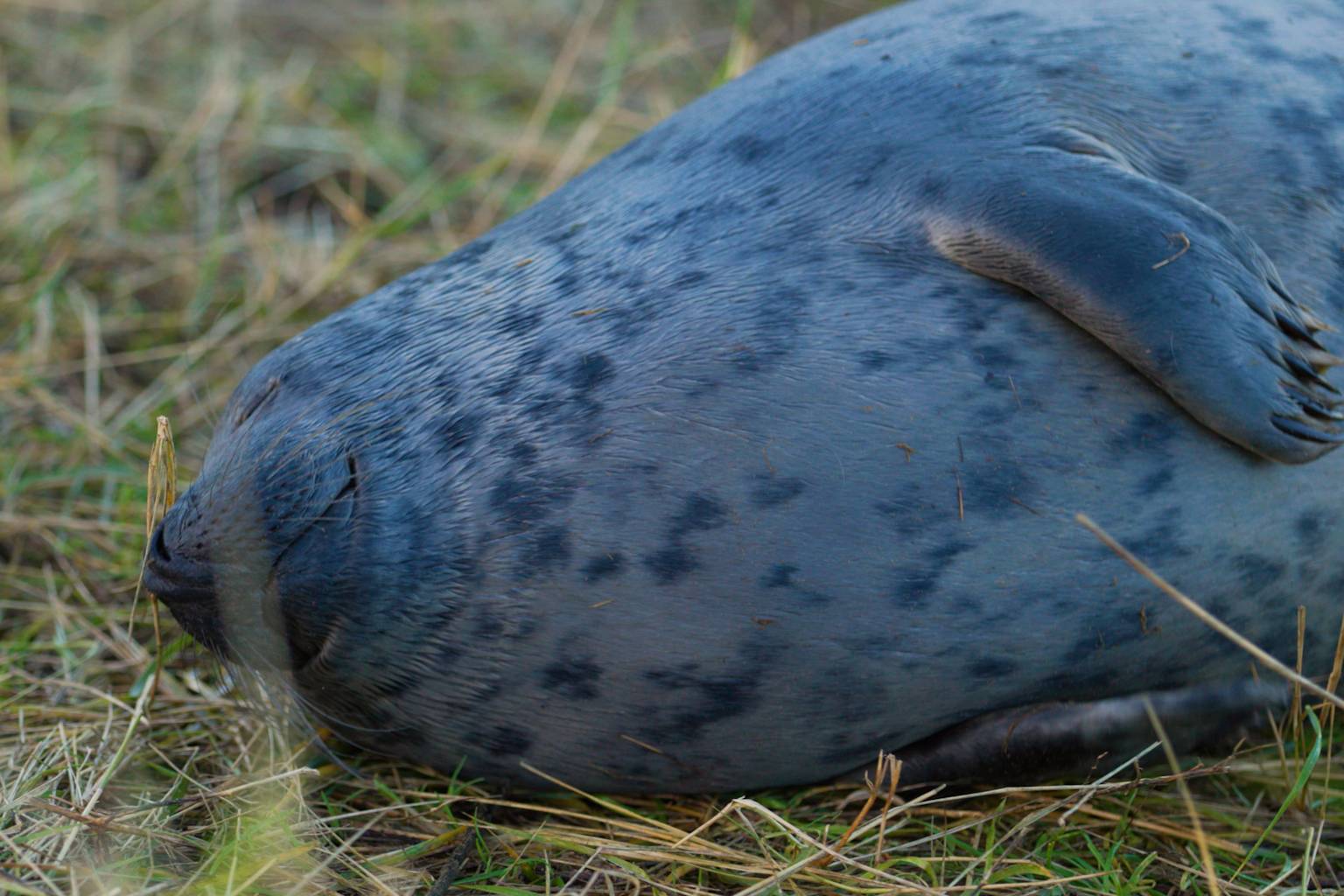
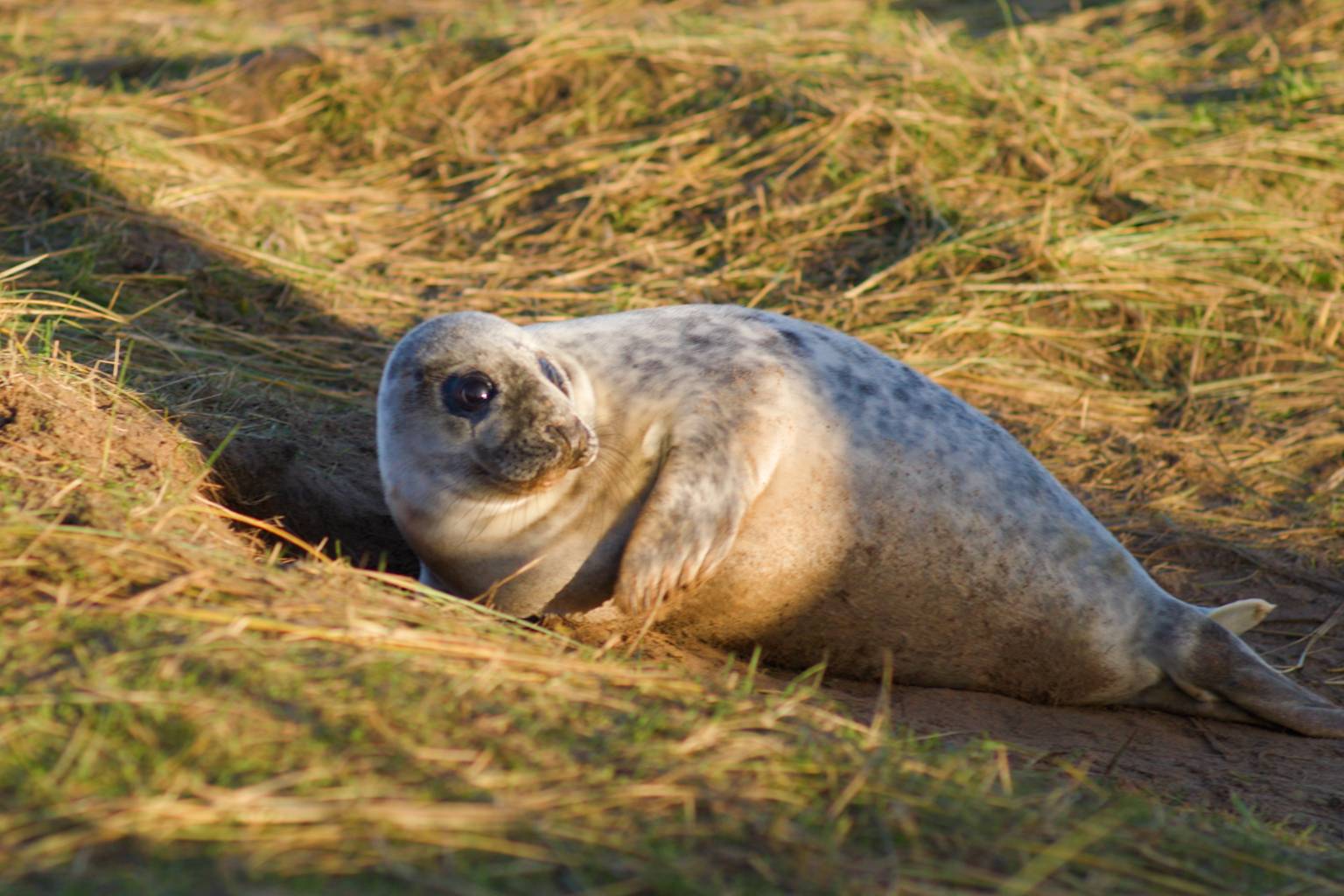
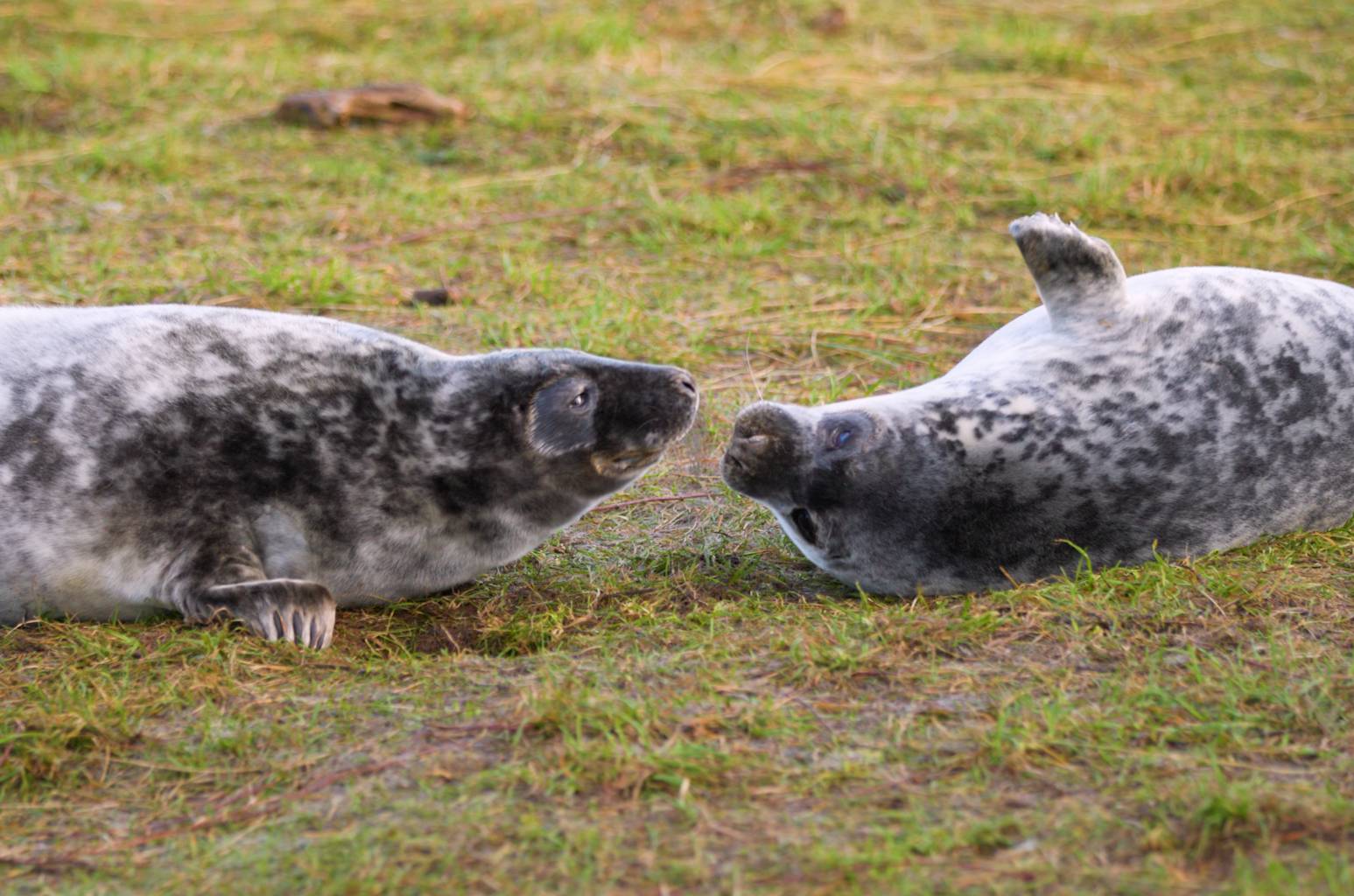
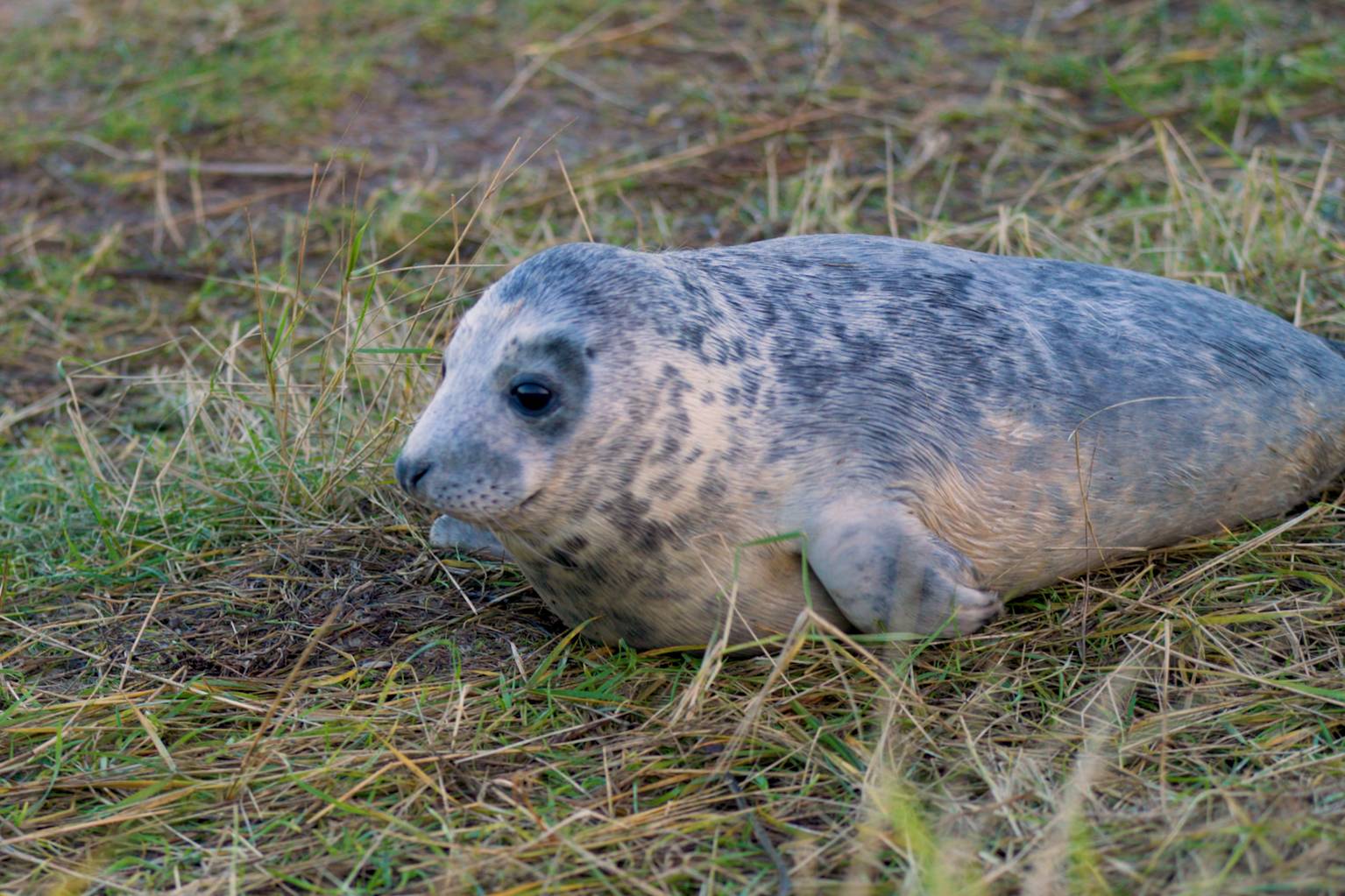
With some populations of the Harbour seal having declined by up to 90% in certain areas over the previous ten years, there was a keen interest from those involved to uncover the potential reasons why.
However, the real story starts a lot farther back – in 1979 in fact – when three marine biologists joined a novel study exploring what seals did once they left the beach.
Computer programming sets the foundation for future research
“The technology available at that time was very limited,” says Professor Mike Fedak, Marine Biologist, University of St Andrews – one of the initial group, alongside Bernie McConnell and Dave Thompson.
“That’s when we turned to other sorts of technology to try to look for ways around those limitations.”
Between the three of them – and a “couple of very talented programmers” – the team started to put together computerised, automated tags that could act as “agents on board the seal” to collect information.
“Eventually, cell phone technology produced all sorts of different opportunities that would allow us to send more detailed data,” explains Mike. “That was a major breakthrough.”
Vodafone IoT technology takes seal tags to the next level
The next development came in 2015, when the relationship between SMRU and Vodafone began and Vodafone’s Internet of Things (IoT) connectivity was introduced to the mix.
“The bio-logging tags are small instruments that can be taken into the marine environment, down to 2,000 metres,” says Kenady Wilson, Head of Instrumentation, University of St Andrews.
“Once the animals haul out, [the tag] looks for a mobile phone network, and then transmits all of the data through data messages.”
The tags could now help track a seal’s location and the environment around it, recording everything from depth and temperature to salinity and detailed dive behaviour.
The IoT connectivity, in turn, guarantees the information collected is as useful as possible, by ensuring higher resolution, better quality data, without any gaps in transmission.
The Internet of Things: Everything you need to know
The Internet of Things may sound like buzzword bingo, but this low-key yet wide-ranging technology is already changing our lives in many ways.
Data helps inform energy infrastructure decisions
Ten years on, the programme has proven a huge success, with technology developments resulting more robust data collection and smaller tags.
Not only has it been expanded to other research organisations worldwide, but they have uncovered vital findings about the interaction between animals, offshore wind farms and tidal energy sites.
“During the construction phase, a proportion of individual seals will actually avoid the area,” says Dr. Gordon Hastie, Principal Research Scientist, University of St Andrews.
“But the good thing for us, and the good thing for the seals, is that it’s relatively short-lived. So, within a few hours, the animals seem to be returning to the important habitats that they were foraging in previously.”
As a result of this information gathering, 75% of the offshore wind farms in the UK have used the data directly, while it now underpins consent for 99% of new tidal energy developments.
Vodafone and LTE-M: Making IoT for everyone
There's more than one way to connect your business to the Internet of Things, explains Nick Gliddon, Director of Vodafone Business UK.
Vodafone and SMRU partnership set for successful future
While the seals are obviously the real heroes of this story, it is the partnerships that sit at the centre of the success – as Dr. Carol Sparling, Director, Sea Mammal Research Unit, explains:
“As researchers, we always want to know more…from physiology and behaviour to the environment and the experience of those animals, and how that translates through to population trends and conservation action.
“So, it’s critical that we have long-term partnerships with trusted organisations that can help us evolve as the technology evolves.”
“I don’t think the excitement is ebbing in any sense of the word,” adds Mike, “at least for me, and I’ve been doing it for 40 years now.”
Stay up to date with the latest news from VodafoneThree by following us on LinkedIn and Twitter/X.





![Falling Dripping Water Drop[Adobe Stock]](https://www.vodafone.co.uk/newscentre/wp-content/uploads/2024/04/Falling-Dripping-Water-DropAdobe-Stock.jpg "Falling Dripping Water Drop[Adobe Stock]")
