With a record-breaking 1,133,813 people applying for entry to this year’s London Marathon, Vodafone is predicting a 15% rise in mobile data usage compared to the 2025 edition. Here’s how – and where – that data is likely to be used.
To keep people connected during one of London’s most iconic annual events, Vodafone is boosting network capacity at the 2026 TCS London Marathon.
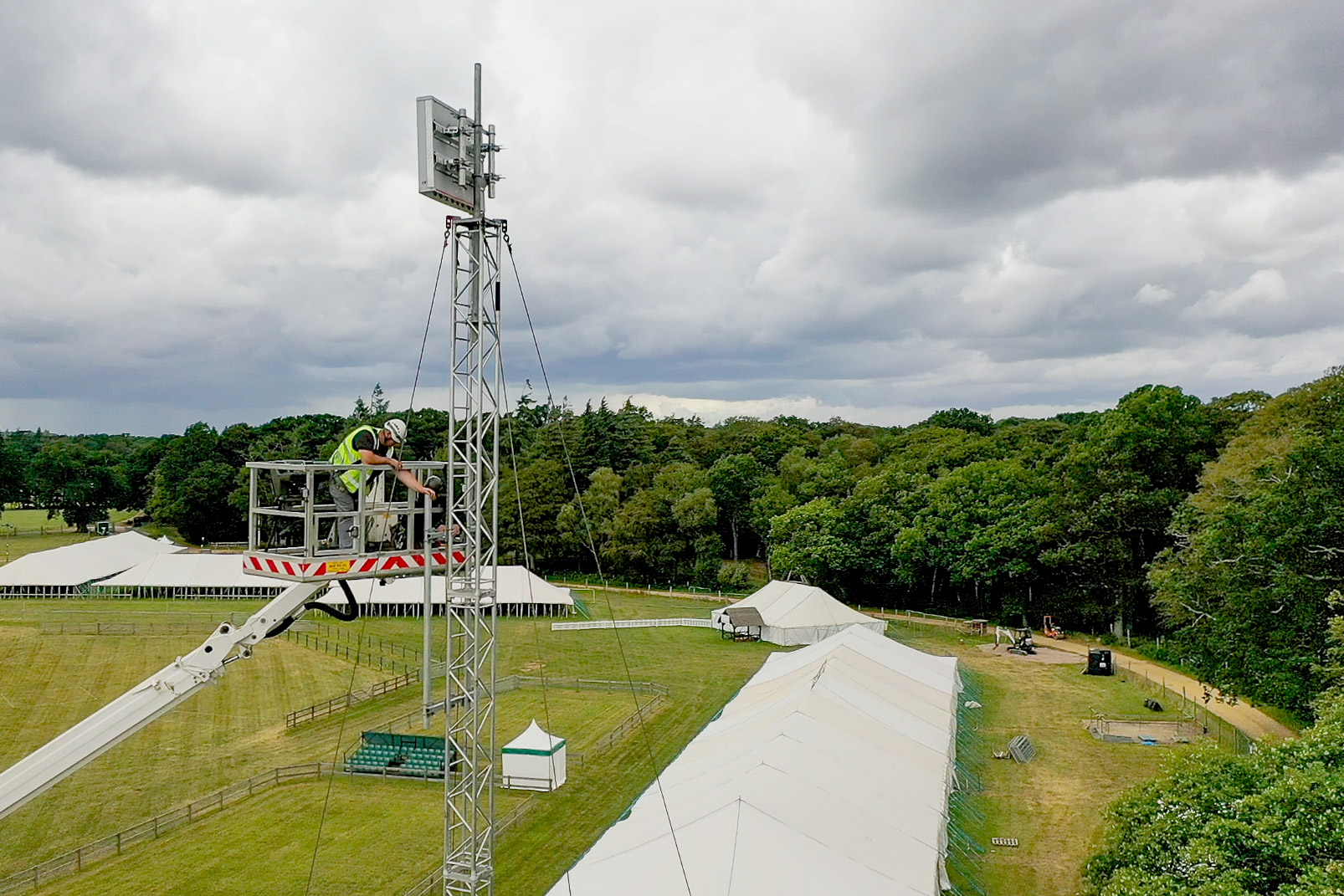
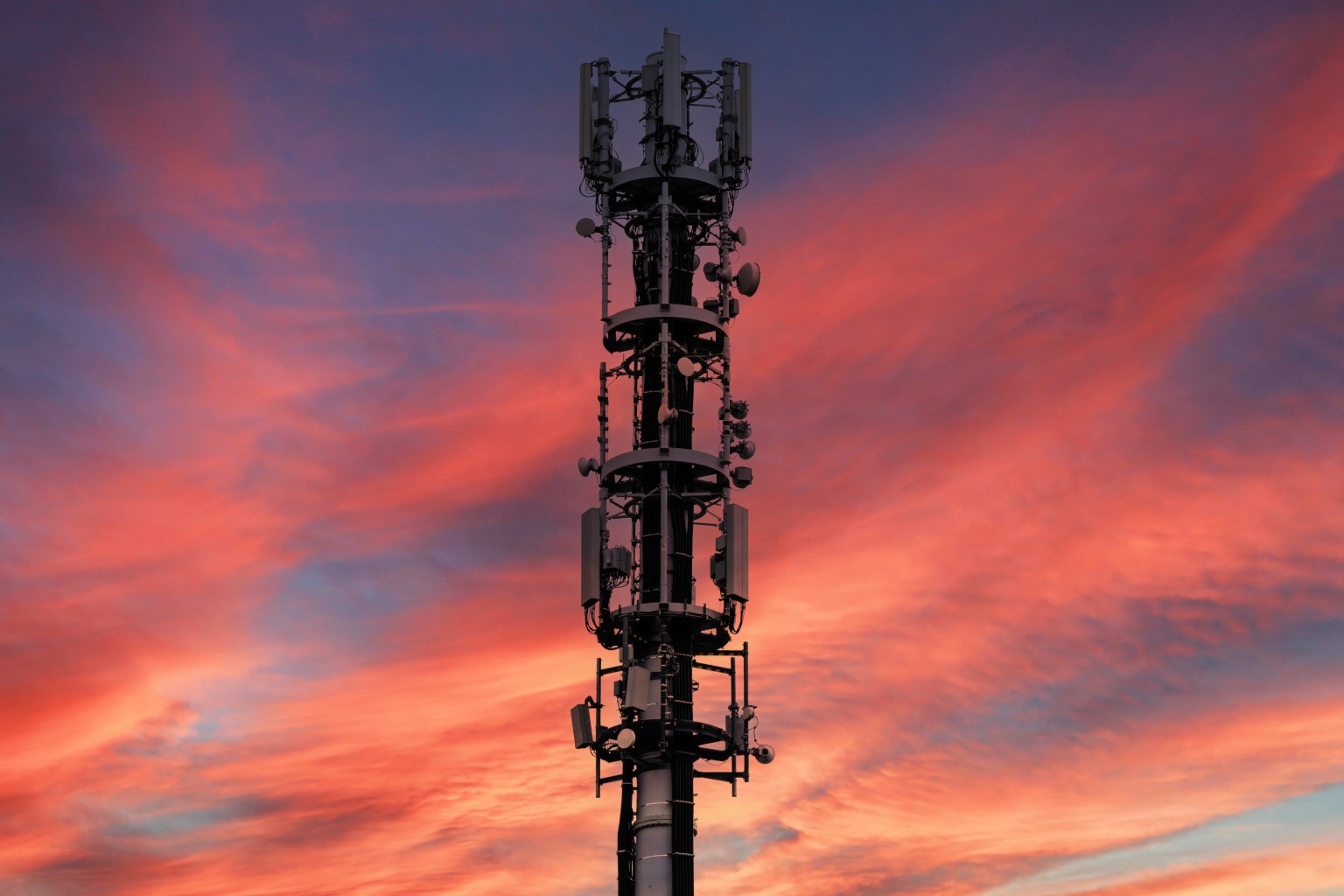
To help get runners off to a good start, a temporary mobile mast – otherwise known as a ‘Cell on Wheels (COWs)’ – will be placed at the start line, near Greenwich Park.
With tens of thousands gathering at this location throughout the day, this temporary infrastructure will allow Vodafone to boost network capacity as demand spikes dramatically over short periods of time.
VodafoneThree network COWs (Cells on Wheels) are coming to a 2026 event near you
The ‘herd’ are back! Cells on Wheels (COWs) network trailers are now improving coverage for both Vodafone and Three customers at special events across 2026.
Which locations will see the highest network demands?
But Greenwich Park is not the only location that is set to experience high data usage.
According to 2025 Crowd Hotspot data from Vodafone, these are set to be the six most high-demand, data-intensive locations at the 2026 TCS London Marathon:
- Start line (7am-2pm) – as runners, supporters and event staff gather in large numbers before the race begins.
- Greenwich and Cutty Sark (7am-2pm) – busy early-route viewing points where spectators are likely to be messaging, calling and sharing updates.
- Tower Bridge (11am-3pm) – one of the most popular spectator spots on the course, attracting dense crowds and heavy mobile use.
- City of London (11am-3pm) – where footfall builds as spectators move between central viewing locations.
- Westminster and St James’s Park (11am-7pm) – a major hotspot later in the day, especially as supporters gather near the finish.
- Trafalgar Square (11am-7pm) – likely to see sustained demand as runners reconnect with friends and family after the race.
How Vodafone and Three are sharing their mobile networks: everything you need to know
'MOCN' is the first major mobile benefit of the Vodafone-Three merger in the UK for customers of both networks. Here's what it means for you and how it works.
How Vodafone COWs will help keep customers connected
To help keep both runners and spectators connected at these locations, Vodafone COWs are now equipped with ‘Multi-Operator Core Network’ technology.
The use of this technology is a result of Vodafone and Three merging in June 2025, allowing the Cells on Wheels to support the combined VodafoneThree spectrum.
As a result, these COWs let both Vodafone and Three customers connect to the network through the same infrastructure, giving them access to enhanced 4G and 5G coverage when demand is at its highest.
Stretch your legs with these walking and hiking apps
Whether you’re a keen hiker or just want new ideas for leisurely strolls, why not limber up with these useful and inspirational apps?
The role of Vodafone engineers at the 2026 TCS London Marathon
Beyond temporary masts, Vodafone engineers will be on site to closely monitor network performance in real time.
Being on the ground lets them respond quickly if pressure points emerge, helping them keep the network running as smoothly as those taking part.
So, with roughly 800,000 data-hungry spectators expected at the 2026 TCS London Marathon, spare a thought for the engineers and COWs that will be keeping everyone connected this year, as they’ll also be in need of a good lie down following the race.
Stay up to date with the latest news from VodafoneThree by following us on LinkedIn and Twitter/X.