The way people use their phones is constantly changing, so mobile infrastructure must change too. Andrea Dona, VodafoneThree’s Chief Network Officer, explains how and why this matters for stadiums across the UK…
It’s a familiar sight to anyone who has been to a stadium in the past few years – people in the audience with their phones, either outstretched towards the field or stage, or facing inwards for a selfie.
For those of us who remember a time before phones, it’s easy to become annoyed at such behaviour. But VodafoneThree’s latest research* into fan habits and behaviour at stadia reveals that there’s more than meets the eye when it comes to the modern stadium-goer, whether they’re into live music or sports.
Despite what you may think, it’s uncommon for people to use their phones to record or livestream an entire match or gig. According to our research, only 20% of stadium goers use their phones for 31 minutes or more. For most people at a stadium, the average time spent on their phone is around 18 minutes.
People commonly use event or fan apps on their devices for everything from navigating the venue to ordering food, organising meet-ups or using transportation and mapping apps.
Back of the net! Dedicated Vodafone 5G now live across stadiums
As demand for mobile data soars, dedicated in-building upgrades now provide Vodafone signal inside stadia across the UK.
But the most popular smartphone activities by far are capturing specific moments on stage or on field that have particular meaning, either for themselves or for sharing with their loved ones that aren’t able to be there.
From the ecstasy of a match-winning goal to the agony of a near-miss, people expect to be able to capture and share such emotively meaningful moments, whenever and wherever they are – and that includes when they’re at a stadium.
This may not have been a priority for people a few years ago, but consumer behaviour is constantly evolving, and staying connected has never been more important. Not only this but the demand for data is surging, with people relying more heavily on digital experiences to live, work and connect.
As VodafoneThree provides the tech that connects people to each other and to the things that matter to them, we must be relentlessly nimble in meeting such expectations and desires.
Network slicing: Everything you need to know
Network slicing, a new way of delivering customised connectivity experiences, will be made possible by the introduction of 5G Standalone (5G SA). But what is it and why do we need it?
5G in the UK’s stadiums: how we’ve been building the future
Principality Stadium in Cardiff is a prime example of the flexibility and technological know-how that’s needed to provide connectivity inside a stadium. With a capacity of 74,000 spectators – which is equivalent to the population of a medium-sized town but packed inside a single building – providing 4G and 5G here required more than just a single, standard mast.
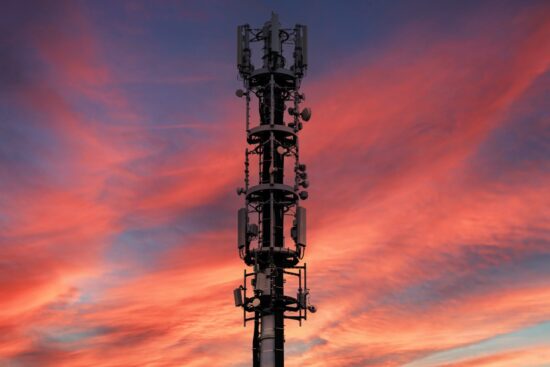
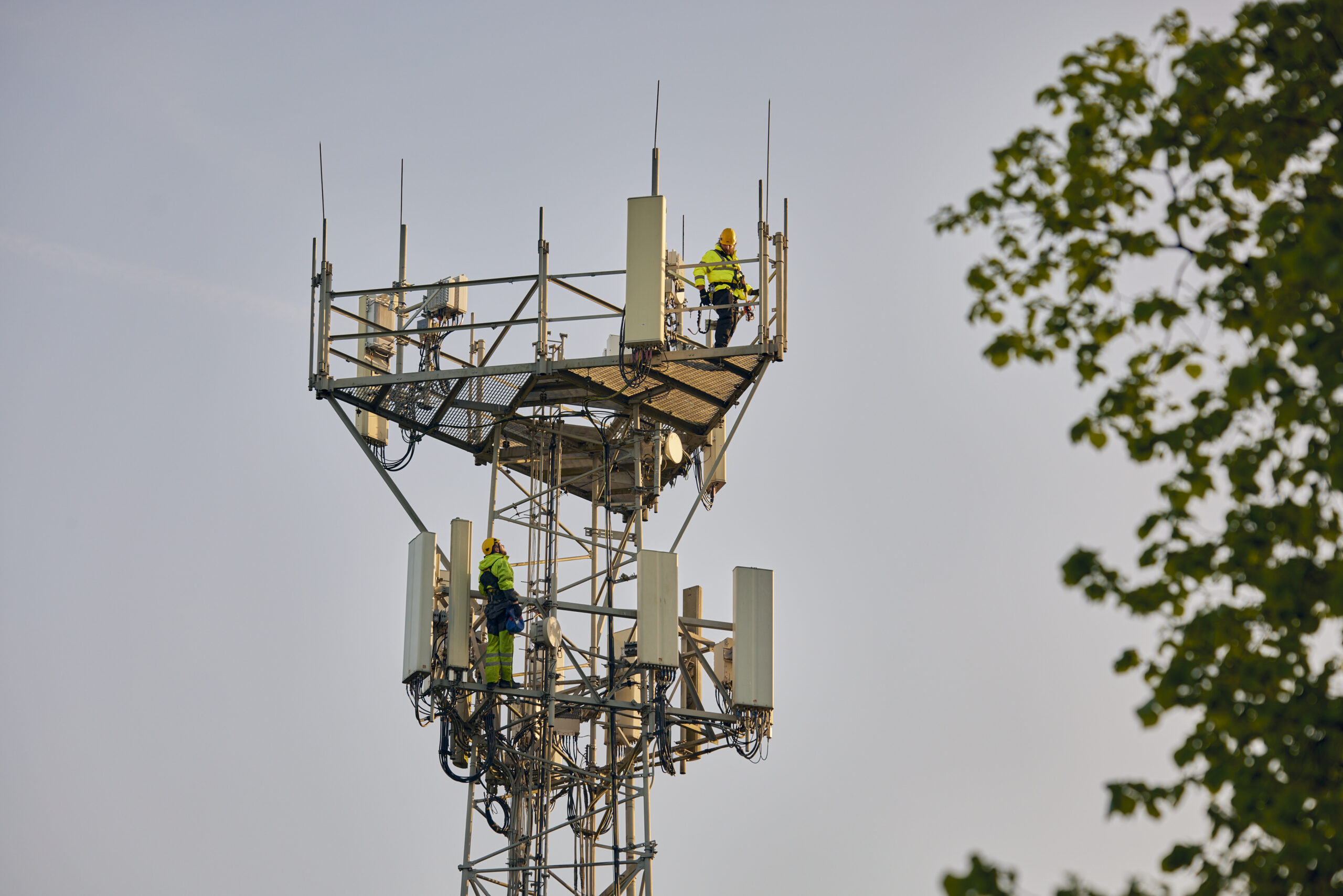
Ten masts’ worth of radio equipment were needed, with each and every antenna carefully angled and positioned so that their signals can better reach people’s devices. Alongside them were 30km of fibre-optic cable to connect them all to each other, to the rest of Vodafone UK network, and to the wider internet.
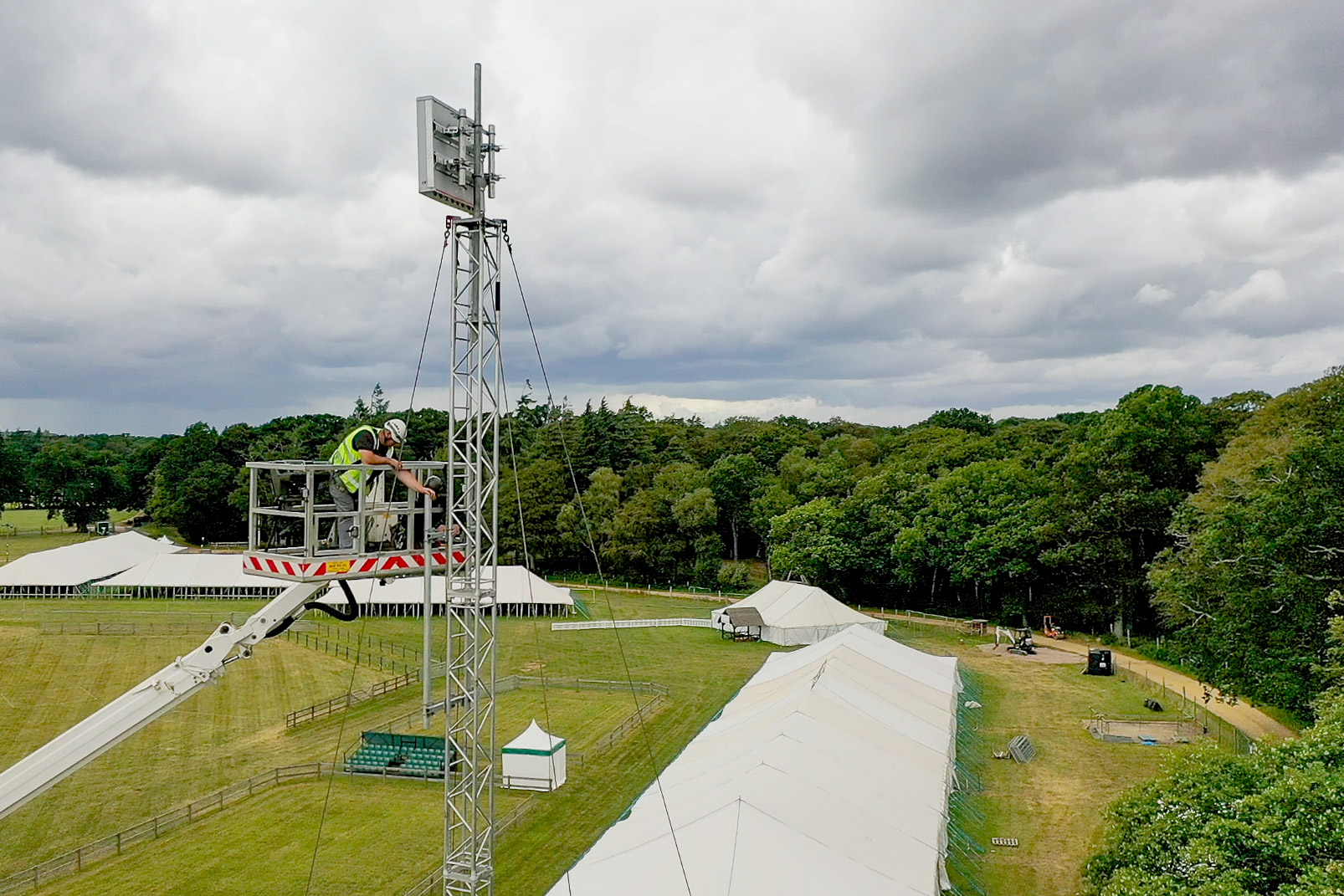
But providing connectivity to stadiums isn’t a one-size-fits-all type of job. Depending on the structure and layout of the building, another approach may be needed. Whether it’s a subtly different variant of the approach we used at the Principality or something completely different, such as our transportable Cells On Wheels (or COWs).
This is why we always keep an eye on the latest technologies to see what role they can play in providing coverage to stadiums. mmWave 5G has huge potential here; its astonishingly fast speeds and its ability to serve huge numbers of devices makes it a practical solution for stadiums.
Why network slicing represents the future of the fan experience
Andrea Donà, Chief Network Officer & Network Director at Vodafone UK, reflects on another UK first, as Vodafone trials multiple 5G SA network slices at Cardiff’s Principality Stadium during the Guinness Men’s Six Nations.
It can get more complicated when the connectivity needs of the stadium staff and the various businesses and concessions are brought into the mix alongside the spectators – from broadcasters and photographers to food vendors and souvenir sellers. That’s where network slicing on a 5G Standalone (5G SA) network comes in.
Using this network management technology, it’s possible to create multiple virtual networks, or ‘slices’, with each one tailored to specific characteristics for particular use cases. For example, there could be one slice with fast upload speeds for sports photographers and then another for security staff and first responders, so that they can have guaranteed connectivity in case of an emergency.
The successful merger between Vodafone UK and Three UK to form VodafoneThree has given us more opportunities to improve mobile coverage in stadiums, both in the near and long term.
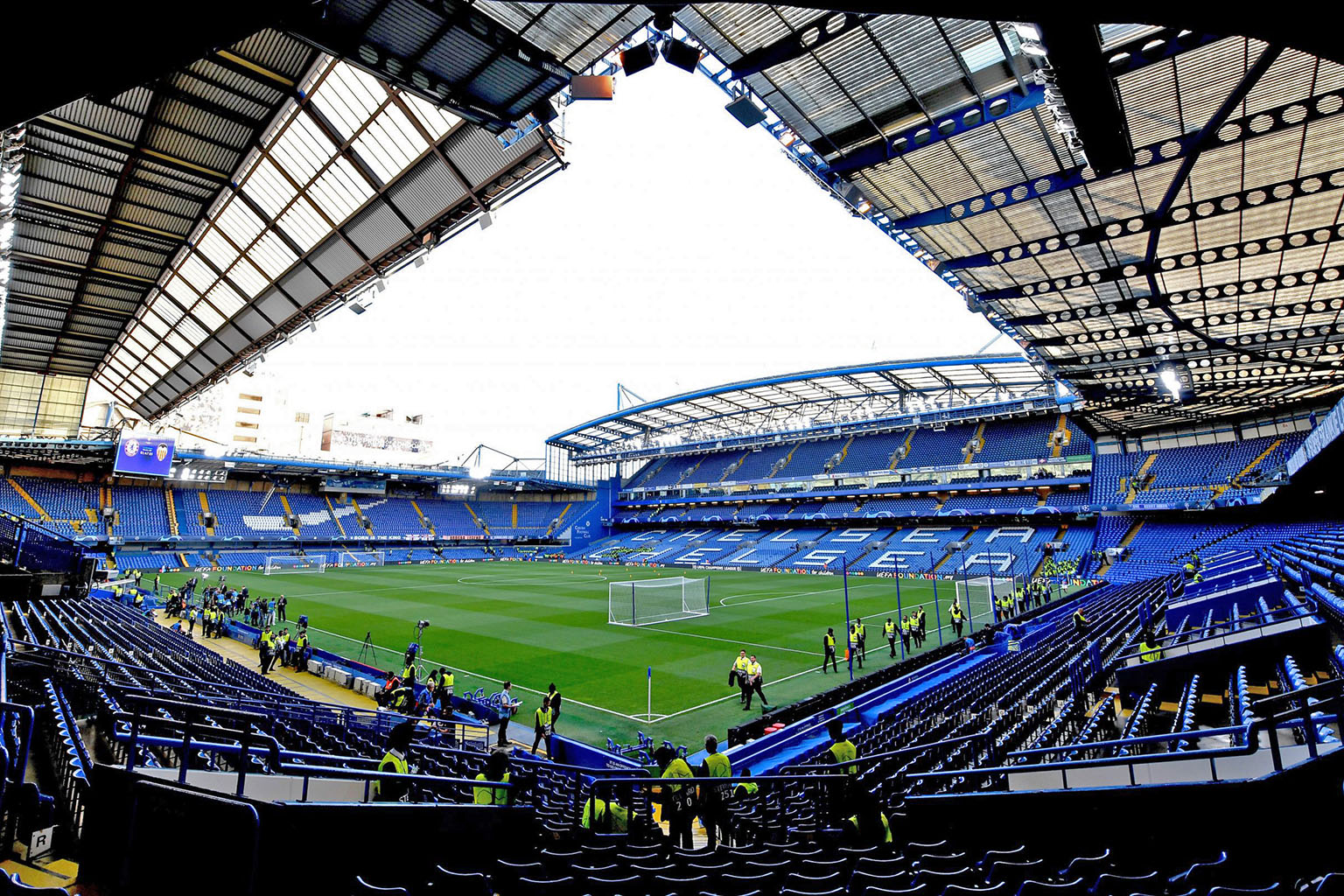
With our ongoing rollout of ‘Multi-Operator Core Network’ technology, Vodafone and Three customers can connect to each other’s networks – getting the best available coverage, at no extra cost. Utilising the technology in places such as the famed Stamford Bridge, home of Chelsea F.C., means fans can stay connected – no matter which side they support.
Vodafone completes UK-first trial of multiple 5G SA network slices giving fans a glimpse of the future
Multiple professional demands for online connectivity, in a packed stadium, were easily met using the advanced network technology.
Bringing the Vodafone and Three networks together is a significant milestone towards building the UK’s best network and rolling out 5G SA to 99% of the UK population by 2030, and 99.96% by 2034.
While these new technologies bring with them a degree of futureproofing, however, we can’t rest on our laurels. The habits and needs of people won’t stay still, either inside or outside of stadiums.
As they continue to change, so must we. After all, building a best-in-class network for the country requires more than just the latest technology. It requires a customer-focused mindset.
Fortunately, at VodafoneThree, we have both.
Stay up to date with the latest news from VodafoneThree by following us on LinkedIn and Twitter/X.
*The research was conducted by Censuswide, among a sample of 2000 consumers (18+). The data was collected between 28.11.2025-01.12.2025. Censuswide abides by and employs members of the Market Research Society and follows the MRS code of conduct and ESOMAR principles. Censuswide is also a member of the British Polling Council.
For more information on the research, please contact [email protected]