Ookla data* ranked the UK 24th out of 30 European countries for 5G availability last year. It’s a gap with real consequences, says Andrea Donà, VodafoneThree’s Chief Network Officer.
This article was originally published on Telecoms.com
Mobile trade body the GSMA estimates that, by 2030, 5G will add €164 billion to Europe’s economy – an opportunity the UK cannot afford to miss. Unlike other countries, including those leading the European rankings, our planning system has not kept up with today’s digital infrastructure demands.
VodafoneThree is the only UK mobile network operator with a fully funded, regulated and guaranteed network build plan, investing £11 billion to build the UK’s best network. VodafoneThree will reach 99% 5G Standalone (SA) population coverage by 2030, and 99.96% by 2034 – more than any other operator.
We’re moving at pace to build a network fit for the future. One that consumers and businesses up and down the country can rely on, which will connect every community. Since June 2025, we’ve made improvements which enable Vodafone and Three customers to seamlessly access each other’s network, at no extra cost.
As a result, up to 28.6 million customers are now experiencing higher speeds for everyday browsing and streaming, as well as improved coverage and reliability when using 4G and 5G.
The good news is mobile operators no longer need to deploy large numbers of new sites to infill coverage gaps, and have broad connectivity footprints across populated areas of the country.
Those early improvements have been enabled by enhancements to software, but we now need to make physical upgrades. The good news is mobile operators no longer need to deploy large numbers of new sites to infill coverage gaps, and have broad connectivity footprints across populated areas of the country.
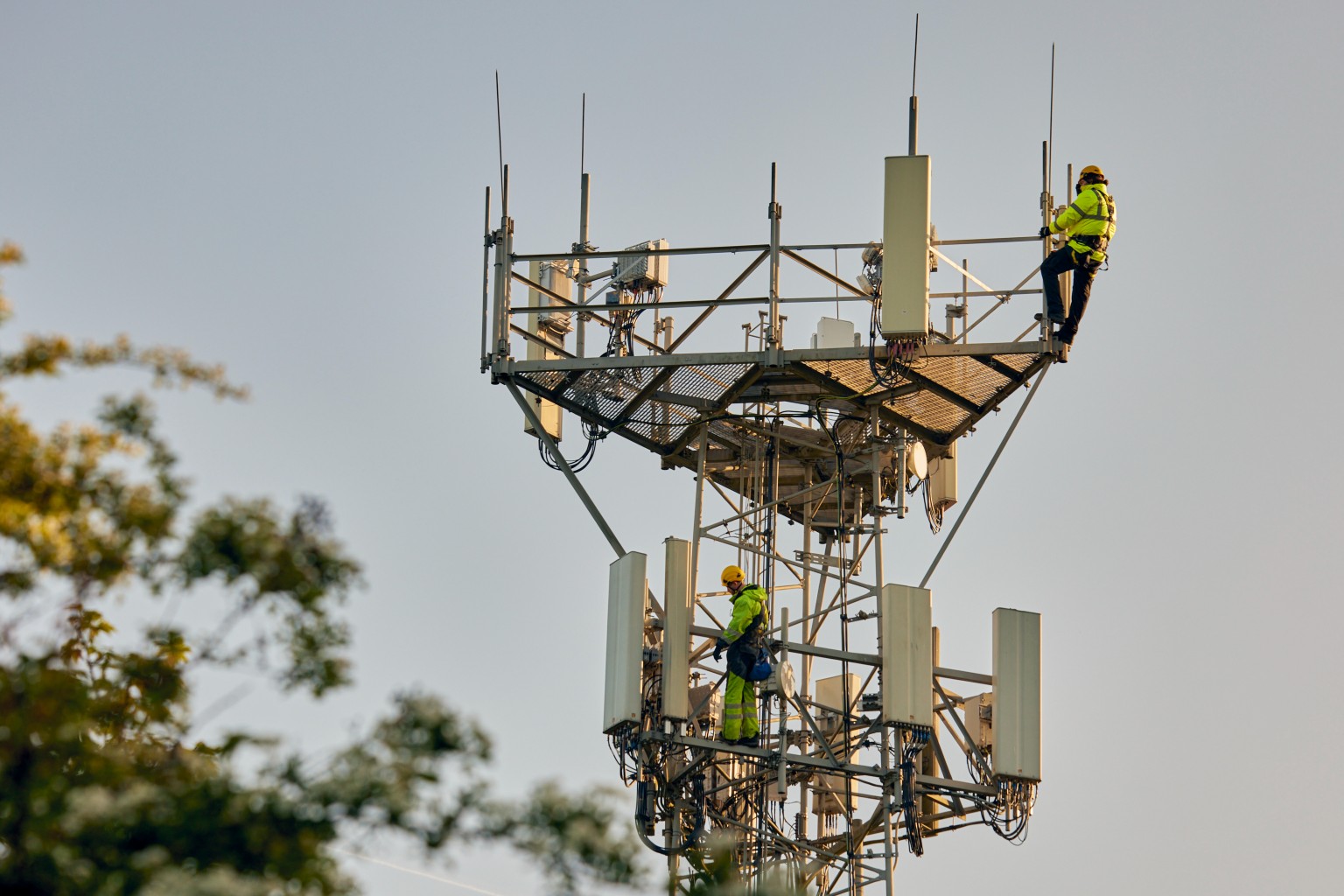
In our case, 96% of the upgrades we need to make are on existing sites, improving connectivity while keeping disruption to a minimum. What’s more, because we will be decommissioning sites as part of the upgrade plan, we will actually reduce our overall footprint by 30% over the course of our network build.
The challenge is that more than half of those upgrades will need planning permission of some kind. This is a huge amount of planning resource for a programme founded on upgrade, consolidation and sharing. As the Government recognises, planning rules need to adapt to new market priorities to better facilitate advanced connectivity.
How Vodafone and Three are sharing their mobile networks: everything you need to know
'MOCN' is the first major mobile benefit of the Vodafone-Three merger in the UK for customers of both networks. Here's what it means for you and how it works.
As 5G technology advances, planning reform is essential to unlock its full potential
We understand some communities feel strongly on these issues, and the changes we want to see will actually increase safeguards by favouring rooftop deployment, which is significantly less intrusive than sites delivered at street level.
We are in a period of rapid technological change, but the UK’s planning laws simply weren’t built with modern 5G in mind. Unfortunately, changes to the width and height of masts required by 5G often require full planning permission or a General Permitted Development Order (GPDO), a lengthy process, which is often compounded by inconsistent interpretations of planning policy from local authorities.
By reflecting the required mast height and width within Permitted Development Rights (PDRs), we could prevent the delay of mast construction, ensuring customers can benefit immediately from the opportunities that stronger, more reliable connectivity delivers.
Our mission is clear, to connect every community in every corner of the UK, but we still need the support of government to help secure Britain’s digital future.
We are already working collaboratively with government to address the issues at the heart of these challenges. Consultations on both Permitted Development Rights for telecoms and the National Planning Policy Framework show the Government understands the problem and is on the right track in addressing it.
But there is still much more to be done. At present, 13,500 of our planned sites either require full planning permission or a General Permitted Development Order before we can build. The current proposals do not go far enough in enabling us to upgrade this infrastructure at the pace the UK requires.
To get this right, the PDR proposals must be implemented in full so that straightforward upgrades are taken out of the planning system altogether. And we must strengthen the National Planning Policy Framework to ensure upgrades which do require approval take into account the vital role of advanced connectivity in driving economic growth.
Our mission is clear, to connect every community in every corner of the UK, but we still need the support of government to help secure Britain’s digital future. If we get this right, our network rollout will not only help level up the UK’s connectivity; but it will also deliver a £102 billion boost to the UK economy and help to create as many as 13,000 UK jobs in engineering and construction during the build period.**
VodafoneThree reaches major milestone in building the UK's best network, delivering improved connectivity to millions of customers
VodafoneThree has upgraded 8,000 sites across the UK as part of its £11 billion investment programme to create the UK’s best network, reaching 99% 5G Standalone population coverage by 2030, and 99.96% by 2034.
Taking the UK from laggard to leader
We are single-minded about delivering our mission to create one of Europe’s most advanced 5G networks. But we need the Government to match our ambition by creating a planning system which can accelerate investment into the UK’s digital infrastructure.
Planning should no longer act as a brake to the deployment of infrastructure, but as a facilitator for improved connectivity. The UK is at a pivotal moment for connectivity.
If we work together to modernise planning processes and remove bottlenecks, we can ease the pressure on local planning authorities, deliver improved connectivity at speed, and unlock new opportunities for growth. And with our data showing that simplifying 5G planning alone could generate more than £2.9 billion in Gross Value Added for the economy between 2023 to 2035, the case for reform is clear.
To realise the full economic potential of 5G, we need the right policy and regulatory environment to enable innovation and investment. Only then will we be able to deliver next-generation services that drive productivity, power new industries, and generate long-term value for the UK.
If we get that right, the UK won’t just be in the global 5G race – we’ll be leading it.
Stay up to date with the latest news from VodafoneThree by following us on LinkedIn and Twitter/X.
* https://www.ookla.com/articles/europe-5g-q2-2025
** VodafoneThree’s £11bn investment will boost UK economic output (GVA) by as much as £102.75bn between 2025-2035. Over the entire eight-year build period, and create and sustain demand for, on average, 9,000 jobs, with peak investment years (years 2-6) seeing as many as 13,000 jobs created across the UK. 74% will be outside London and the South East – WPI Strategy.