Vodafone UK’s everyone.connected initiative has now helped four million people and businesses cross the digital divide. Though, none of that could have been possible without the organisation’s charity partners.
Vodafone and Good Things Foundation have been working together since 2021. Since then, Vodafone has donated more than 24 million GB of data to those in need through the social change charity’s National Databank.
Vodafone’s latest everyone.connected report details how this partnership has helped connect 200,000 people, including those like Paule, Julie and Lewis.
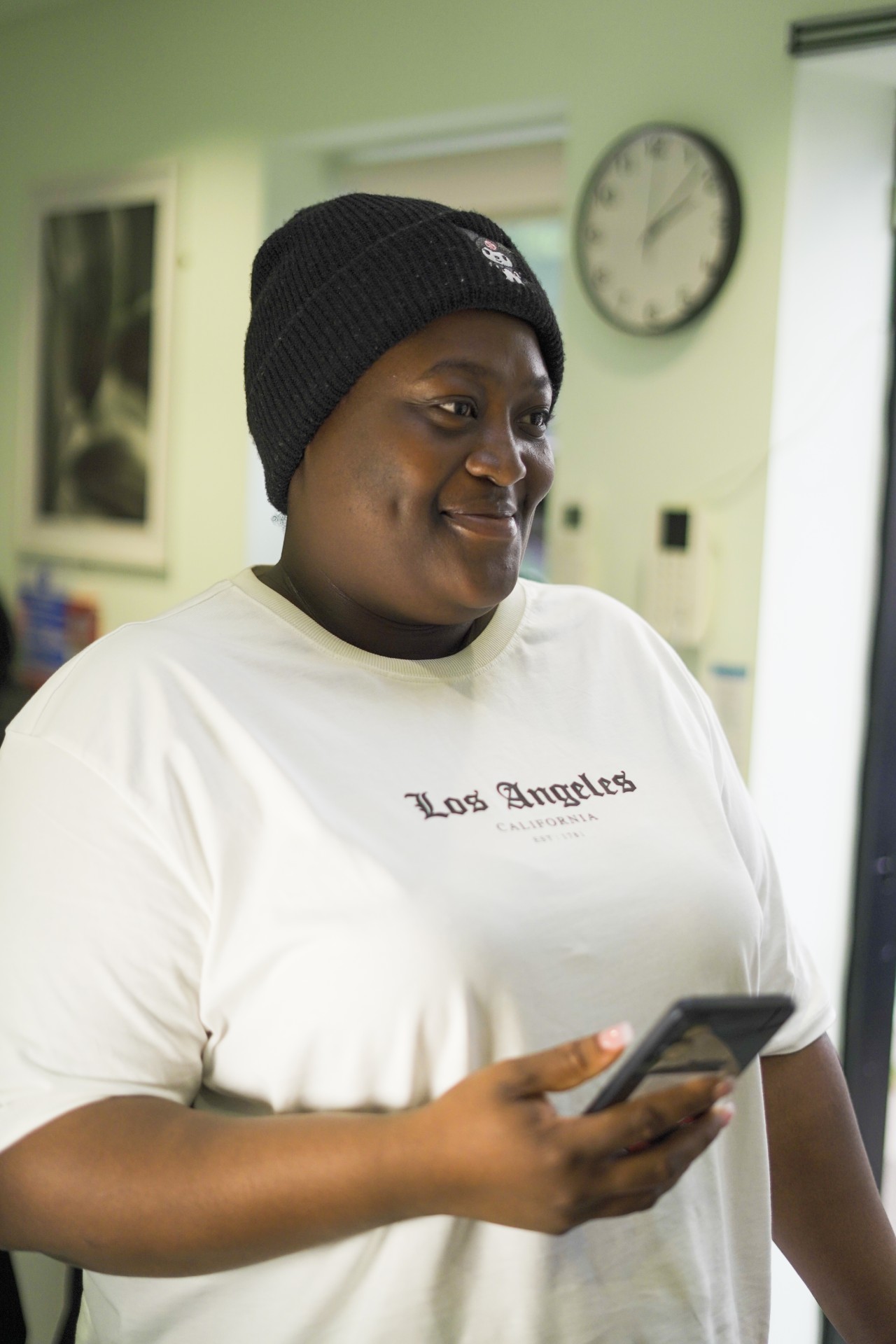
Digital inclusion: Paule’s story
Paule was living in London when she became homeless, without warning, due to family problems. Lacking stability and sleeping outside meant she was struggling mentally – a strain made heavier by her lack of digital access.
Paule was living in London when she became homeless, without warning, due to family problems. Lacking stability and sleeping outside meant she was struggling mentally – a strain made heavier by her lack of digital access.
Without a phone, Paule was unable to keep in touch with her children, leaving her feeling digitally, mentally and physically isolated.
To improve her situation, she wanted to organise her formal documents and find a job in the cooking industry. However, the lack of internet or a device left her unable to apply for roles or even be reached by a potential employer.
Desperate, Paule sought help from Tech Together CIC, a North London-based, non-profit organisation working with community groups and third sector organisations to tackle digital exclusion.
The National Databank and National Device Bank have really enabled us to expand the number of people that we’re able to help and grow the services we’re able to offer in the digital inclusion space.
Andy, Founder and Hub Manager, Tech Together CIC
Tech Together CIC gave Paule a Vodafone SIM card from the National Databank – a scheme that provides free SIM cards and has been supported by Vodafone’s everyone.connected initiative.
Together with a mobile phone from the National Device Bank, Paule has been able to stay in touch with her children while managing her finances and job search.
Thanks to this support and digital access, Paule no longer feels alone. She can talk to her children over the phone whenever she wants, and can share her cooking work on social media to reach more people.
“I’m a chef, I’m a hard worker, and I know I’m good at what I do,” says Paule. “Having this phone and Vodafone data will help me set up some social media channels, where I can post everything I’m doing.
“It’s given me a lot of motivation and I feel good. I’m also able to keep in touch with my family…the problems I had before have disappeared.”
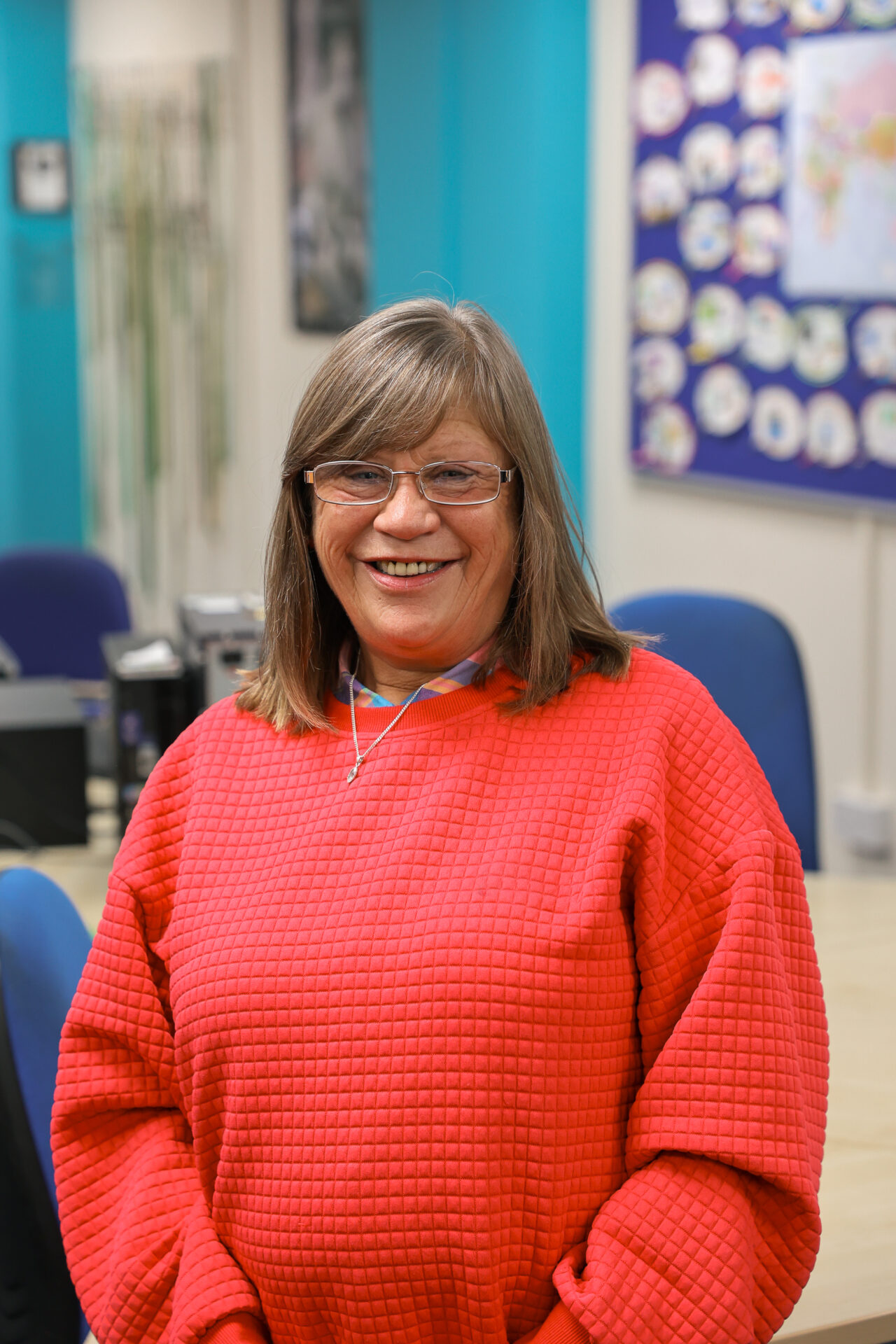
Digital inclusion: Julie’s story
Julie felt unsure and unsafe using the internet. She wouldn’t even have a go at getting online, fearing she would get things wrong or make a mistake.
Julie felt unsure and unsafe using the internet. She wouldn’t even have a go at getting online, fearing she would get things wrong or make a mistake.
Unable to send emails, make a doctor’s appointment or use links, Julie got by through asking her children for help. Otherwise, she simply switched off and blanked it all out, leaving her angry at being left behind.
Part of her role volunteering at a community group in Stockbridge, however, involved writing the minutes and circulating them afterwords.
“I need to be able to handle that,” says Julie. “I didn’t want to say I couldn’t do things – it was embarrassing. But the group members encouraged me to get help.”
This help came in the form of Learn for Life, a Sheffield-based group that helps people from across the city, including refugees and those seeking asylum, as well as BAME communities and older people.
The organisation provides teaching, support, stability and advice – all in a safe, friendly environment – at its community hub in Sharrow.
The data, devices and skill support I’ve had has given me a new lease of life and a sense of freedom. Now I’m living life on my own terms.
Julie, recipient of free Vodafone SIM
As well as providing support with English lessons for non-native speakers, the team also delivers digital inclusion services as part of Good Things Foundation’s National Digital Inclusion Network, providing devices through the National Device Bank and digital skills support through Learn My Way.
As part of this, Learn for Life provides a range of SIM cards from mobile network operators like Vodafone and Three. Julie herself was given a Vodafone SIM card through the everyone.connected initiative, as well as an HP laptop and help on how to safely use her new device and online services.
“I know how to use apps, I can do Zoom meetings if I need to, and I use WhatsApp to talk to friends and family,” she says.
“Coming here has really given me a sense of community. Without this support, I would have been letting the world go by, and I would have left my role at the community group because I didn’t like to ask for help all the time.
“It’s given me something to get out of bed for and made me realise people really do care. The data, devices and skills support I’ve had has given me a new lease of life and a sense of freedom. Now, I’m living life on my own terms.”
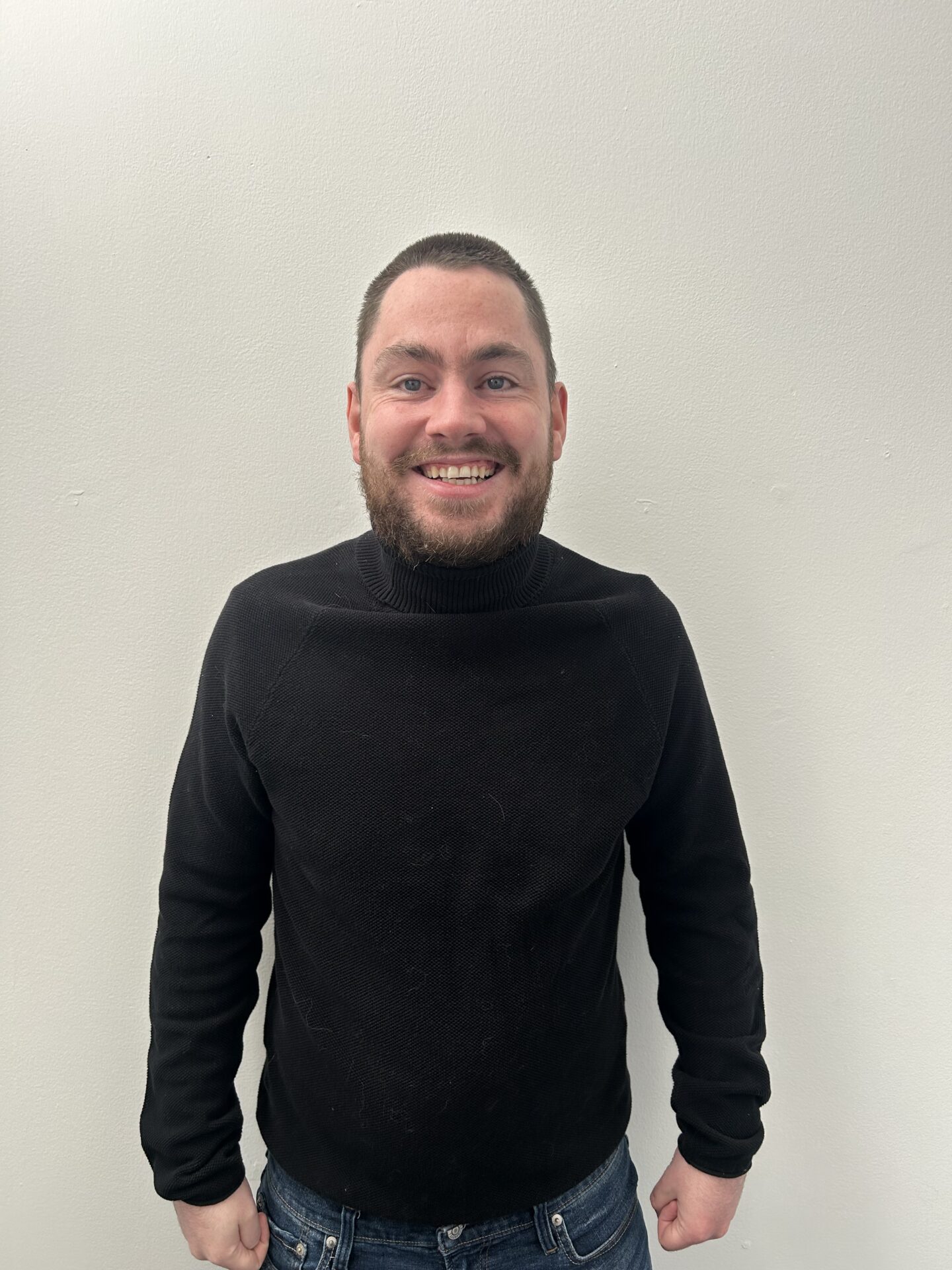
Digital inclusion: Lewis’ story
Lewis struggled to stay connected to his loved ones or to be contacted by potential employers, leaving him locked out of opportunities.
Lewis struggled to stay connected to his loved ones or to be contacted by potential employers, leaving him locked out of opportunities.
But all that changed when he visited Aberdeen Foyer – a charitable organisation in North East Scotland.
Established in 1995 to end youth homelessness and alleviate the impact of poverty across the region, Aberdeen Foyer helps people transition towards independent living, learning and work. Over the last year alone, the organisation has supported more than 2,200 people.
For Lewis, it was receiving a SIM card through the National Databank that helped change his life, proving just how powerful a phone number can be.
Connectivity and tech
1.76m
Affordable and accessible services
0.15m
Upskilling businesses and communities
2.27m
“I have really benefitted from receiving the Vodafone SIM,” he says, “as it has meant I can keep in touch with friends and family, and apply for jobs.
“Having a phone number to put on my CV for potential employers to contact me is important. It also feels good knowing I can ring potential employers back if I miss a call.”
With something as simple as a SIM card and mobile data, Lewis now feels empowered to take the next steps in life – applying for jobs, maintaining relationships, and moving forward with a new sense of confidence.