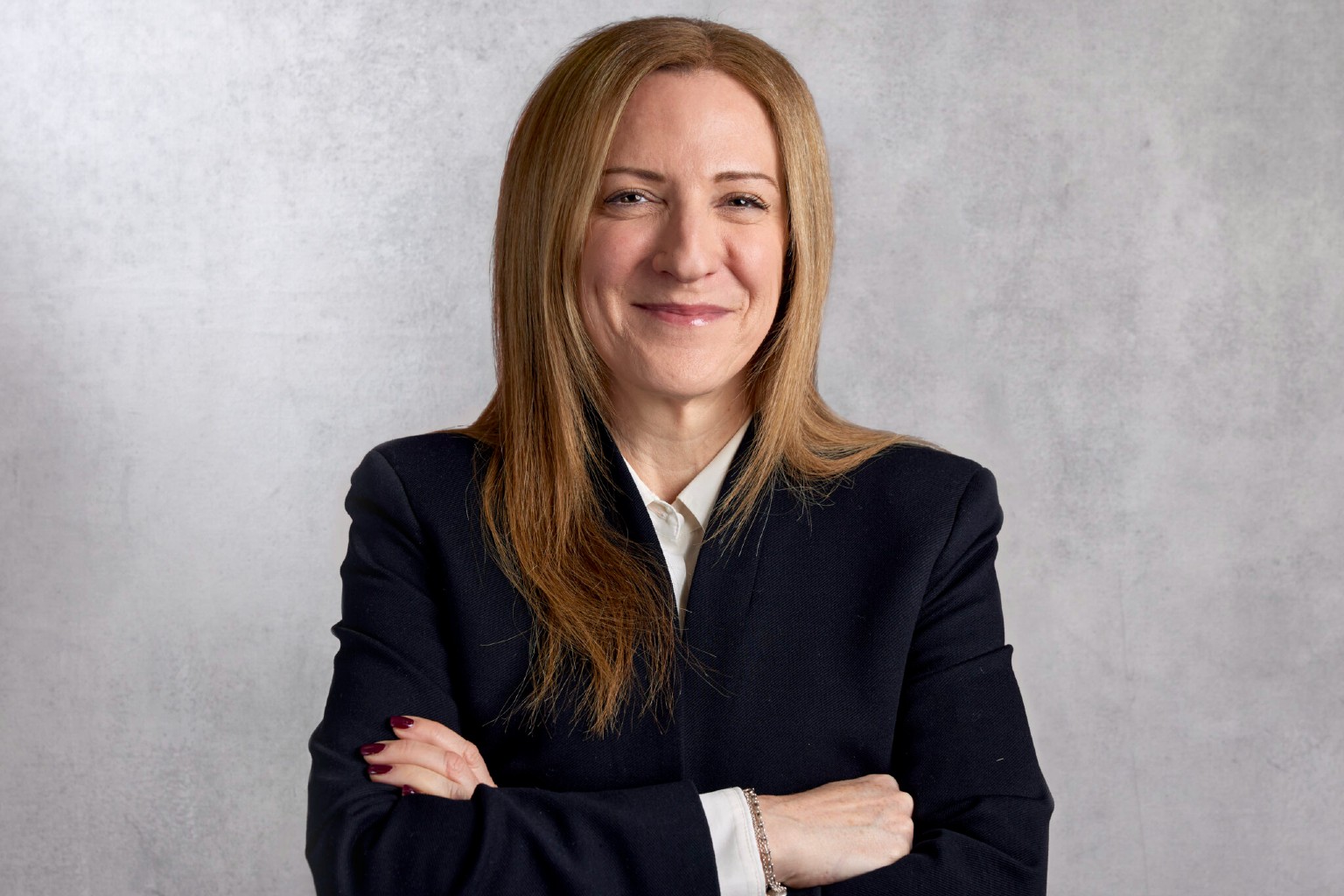
Ahead of Earth Day 2026, VodafoneThree’s Corporate Affairs & Sustainability Officer, Nicki Lyons, asks what if – rather than causing division – environmental action could help build resilience among UK communities?
Despite a YouGov poll showing that 60% of Britons support net zero, signs suggest it has become the UK’s next political battleground. And perhaps it’s easy to understand why, given the fertile ground it represents for those looking to sow distrust in the status quo.
For one, net zero remains a relatively abstract concept for many individuals, and can seem far removed from the real challenges households face each day, such as paying monthly bills or accessing local services.
It also requires short-term sacrifice, often financially, making it much simpler to make an argument against. When petrol prices are high, for example, increasing fossil fuel production is an easier sell than increasing environmental investment.
In other words, the anxieties of today will always trump the alarm bells of the future. In fact, the same YouGov poll makes this point for me, by suggesting that the majority of net zero supporters would still prioritise action on cost of living over the cutting of emissions.
But what if, rather than causing division, environmental action could actually help build greater resilience among UK communities?
Vodafone and UK National Parks partnership uses AI technology to help connect people with nature and protect it for the future
Cutting-edge technology will be used to help protect ecosystems, engage local communities, and support the future of UK National Parks.
Why connectivity will be key for resilience
Larger organisations – whether that’s government or the private sector – play an important role in answering this question, since they can afford to set out longer-term outlooks that have environmental aims baked in.
VodafoneThree’s own £11 billion, eight-year investment commitment is a perfect case in point, given it will take place alongside the continued decarbonisation of our operations.
What’s more, by building the UK’s best network, we also aim to build up the UK’s resilience – a quality that will only become more important in the face of future environmental and economic challenges.
To withstand these shocks, connectivity will be vital. Whether it’s by powering local flood warning systems or supporting vulnerable communities in storm events through back-up solutions, connectivity can help enhance industrial, climate and community resilience.
As a result, telecoms businesses like ours have the ability to make net zero a less partisan, and more practical, pursuit.
Three reasons why we publish annual sustainability data
As Vodafone UK publishes its 2025 Carbon Reduction Plan, VodafoneThree’s Chief Corporate Affairs & Sustainability Officer, Nicki Lyons, explains why sharing this data each year will continue to be vital for the new company.
Counting the cost of climate inaction
But action doesn’t come cheap. The costs of UK climate adaptation are already reported to stand between £5 billion and £10 billion annually – and they are set to rise even further.
At VodafoneThree, we are not immune to this, and we are already experiencing higher operational costs from increased winter storms and flash flood events.
Although, with the nation’s climate continuing to warm by about 0.25°C per decade, the cost of doing nothing is even higher. In fact, inaction will only increase these costs for businesses and taxpayers in the long-term.
Fortunately, by working with our peers across the telco industry – and alongside other critical national infrastructure (CNI) sectors more broadly – we can help reduce our collective exposure to both economic shocks and extreme weather events.
How we approach renewables investments
One example of how we can go further, faster, is our approach to renewable energy procurement and network resilience.
For VodafoneThree, energy is a significant and unavoidable input cost associated with delivering 24/7 connectivity – increasingly considered an essential right by consumers and businesses alike.
At VodafoneThree we are proud to have invested more than £100m over the past decade in such UK-based renewable energy and decarbonisation initiatives. And we would like to invest more.
Following our merger in 2025, we are now one of the UK’s largest consumers of electricity. And, like other forms of CNI, our electricity demand is continuous, predictable and largely inflexible, as we seek to maintain continuous and reliable coverage across the UK.
Corporate Power Purchase Agreements (CPPAs) therefore play an important role in allowing us to secure a steady supply of UK-based renewable energy, simultaneously reducing our exposure to volatile global wholesale energy markets while supporting our decarbonisation goals.
At VodafoneThree we are proud to have invested more than £100m over the past decade in such UK-based renewable energy and decarbonisation initiatives. And we would like to invest more.
It would be the sensible long-term decision for us, as we firmly believe decarbonisation is good for business, consumers and UK society as a whole. However, current market conditions can sometimes get in the way of this.
Vodafone UK on track to fully electrify car fleet by 2026
Vodafone UK is set to fully electrify its car fleet by 2026 – one year ahead of schedule – as part of Vodafone Group’s broader commitment to achieving net zero emissions across its operations by 2030.
Creating a climate of change
Like any UK business, we want stable market conditions and reduced risk. But not every business is responsible for the infrastructure that underpins the majority of public life. Infrastructure that has the potential to directly support net zero, no less.
The Contract for Difference scheme, grid connection delays and the wider energy charging framework all make it challenging for the telecoms sector to expand its renewable procurement at pace.
And because we are charged like other industrial consumers that are able to flex their demand, the current scenario hampers our ability to balance network and renewables investment.
So, while we welcome the attention this issue is receiving, more can be done to support CNI businesses.
Rather than discouraging renewable procurement, for example, a fairer charging framework would support sustained investment in modern, resilient, low-carbon energy, as well as the telecoms networks that the UK’s future economy depends on.
Fixing this framework, by removing grid-related non-commodity charges or introducing a new mechanism for MNOs, would allow telecom’s energy costs to be channelled toward more impactful activities.
This, in turn, would allow the telecoms and energy sectors to collaborate further, unlocking investment in the shared networks that support the most vulnerable of our communities.
In doing so, we can help create a more resilient United Kingdom – one that sees net zero as a social and economic opportunity, rather than a political battleground.
Stay up to date with the latest news from VodafoneThree by following us on LinkedIn and Twitter/X.