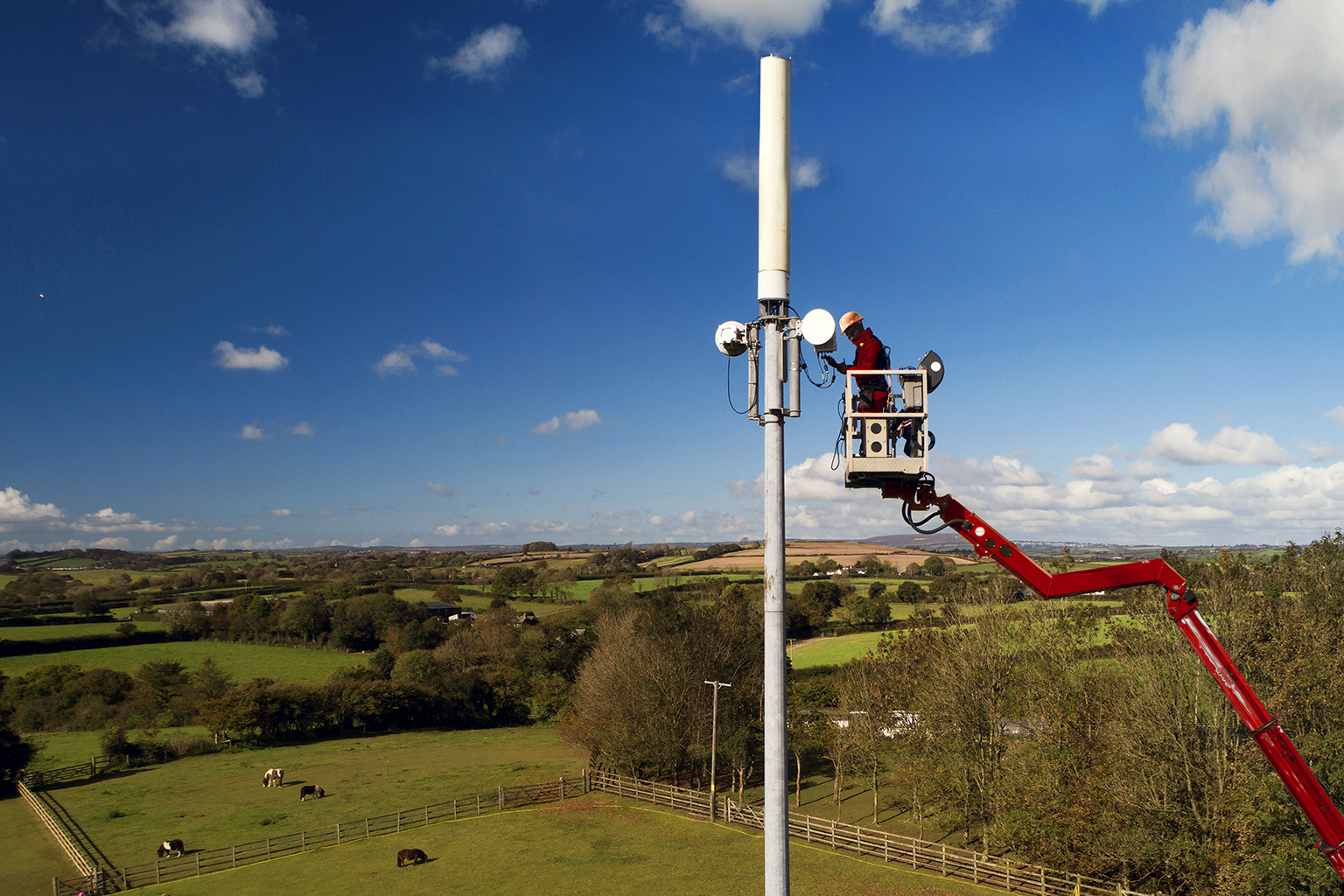
When a customer’s data bill seemed unusually high, Vodafone’s customer service team sprang into action, supporting a social impact organisation and their homelessness solution in the process.
“My father-in-law has a shipping container background,” starts Peter Wood, founder of social impact organisation, Protectal. “Nothing he ever came across couldn’t be solved with a shipping container.
“So, when we were drove past a lot of people sleeping rough one time, we had the idea that perhaps we could use something like this to help solve the homelessness crisis.”
It was from this experience, both past and present, that NAPpads and, subsequently, Vytalsign emerged.
Tech for good
The former is a modular, four-bedroom accommodation unit, developed in partnership with The Salvation Army. Though the company eventually moved away from shipping containers as their primary material, the units provide a safe, warm and private environment for those looking to transition out of homelessness.
The latter, meanwhile, came from another personal experience:
“Basically, my burglar alarm at home went funny,” says Wood. “When the technician came to fix it, I was asking him about sensors, and he said: ‘you don’t make the sensor, you tell it what to do, because they’re very straightforward – they’re very binary.’”
Vodafone supports homeless charities with free SIMs through charities.connected initiative and calls on others to apply
The 50,000 free SIMs will help those facing homelessness connect with vital help and services.
Armed with this understanding, the company developed Vytalsign – a contactless, health monitoring system that uses non-invasive, radar technology to discreetly monitor the vital signs of the occupant, such as their breathing, heart rate and movement.
“NAPpad gave birth to Vytalsign,” explains Wood. “The need for safety and non-invasive reassurance in temporary accommodation evolved into a technology that’s now being used across health and social care.
“After all, safety, dignity and a good night’s sleep are often the first steps toward recovery and making life-changing decisions to seek help. The Vytalsign quietly watches over residents, so staff can focus on people, not panic alerts.”
Housed in each unit, Vytalsign was helping Wood to tackle the issue of homelessness head on, just as he and his father-in-law had hoped. Until, that is, they hit a stumbling block.
LandAid CEO on how Vodafone SIMs can act as a lifeline to those in need
Vodafone UK’s everyone.connected initiative helps put free, data-loaded SIMs into the hands of those who need them most, including people relying on the services of homelessness charity Centrepoint.
A data dilemma
“We were setting one up in St Helens,” explains Wood, “and we run them from SIMs in pretty much all situations, except for police stations. But this time, for some reason, we were burning data like it was going out of fashion.”
Fortunately, Wood had chosen Vodafone SIMs to power his hardware. So, when he reached out for assistance, he found Specialist Care Manager Danielle Hall on the other end of the phone.
“I took a look at the data usage,” says Hall, recalling the incident, “and it was as if all of the customer’s neighbours were streaming or gaming using their SIMs, which just didn’t seem right.
“So we monitored the data and sent across the usage figures a few times over several days to see what might be going on.
“We also refunded the current bundle and applied for unlimited data for a month, until we could solve the issue.”
How we’re working to make VodafoneThree the #1 telco for customer experience
Off the back of Ofcom's latest results, Jon Shaw, Commercial Operations Director at VodafoneThree, lifts the lid on some of the changes that will help the organisation support customer experience – no matter the situation.
Sensors, SIMs and social impact
This persistent approach worked. The root cause was eventually revealed to be a camera in the system, which was so highly calibrated that it was picking up leaves moving almost 25 metres away.
Each time this happened, the sensor used data to send the signal back through the system, leaving Wood with the unusually high bill.
“It was the very fact that Vodafone stuck with us that helped so much,” explains Wood, “because it would have been impossible to try and find the issue ourselves.
“Instead, they did the monitoring of the data for us, presented it each morning, and explained what was happening.
“And now, the technology is going into more places, all backed by Vodafone’s kit, because why wouldn’t we?”
In turn, helping what began as a homelessness initiative evolve into a wider social care technology, supporting independent living, air quality and mental health environments for a growing number of individuals in the process.
“Behind every NAPpad is a human story,” explains Wood. “Dignity and safety aren’t luxuries, they’re the foundations for recovery, and Vytalsign sensors help us deliver both – quietly and respectfully.”
Stay up to date with the latest news from VodafoneThree by following us on LinkedIn and Twitter/X.